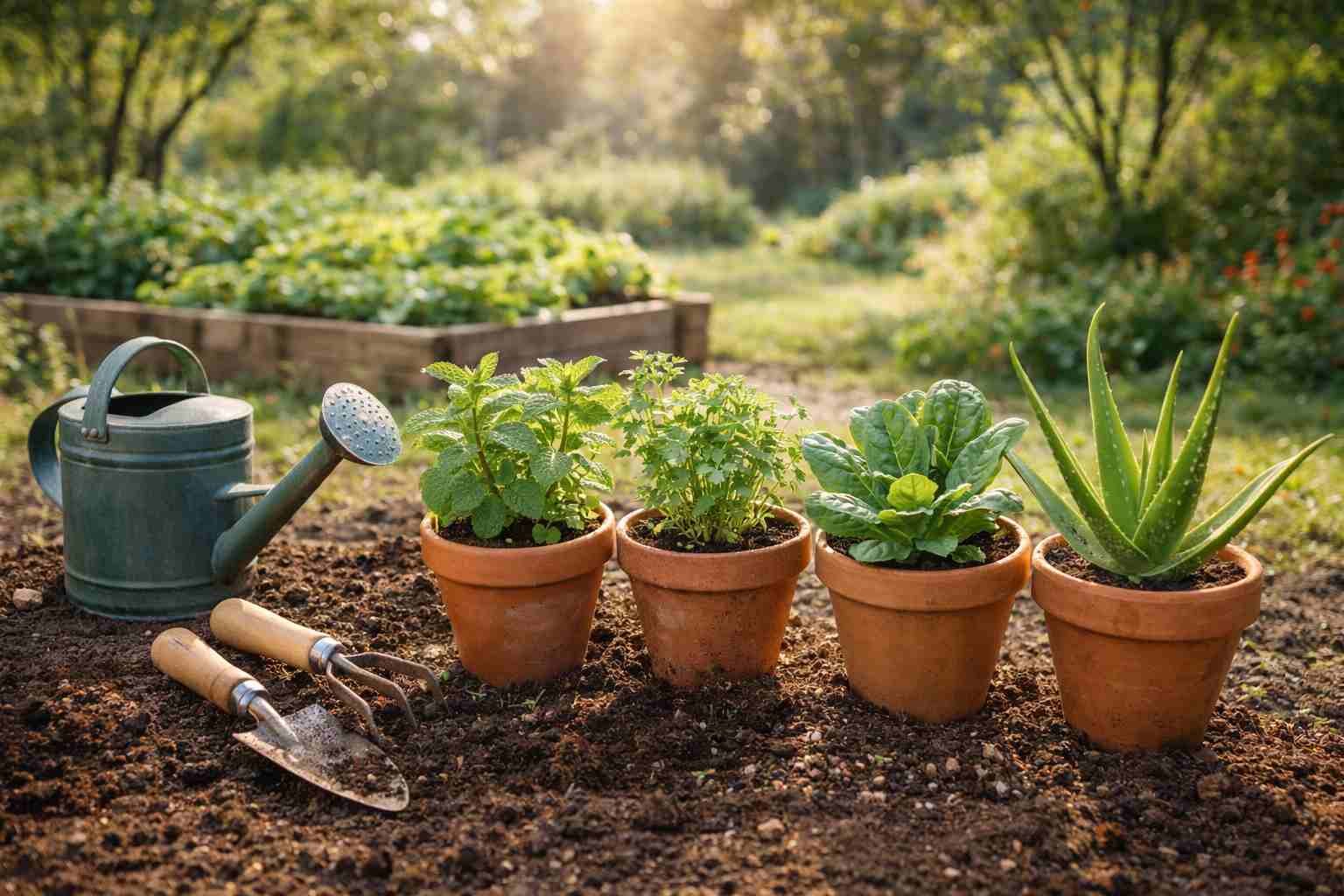
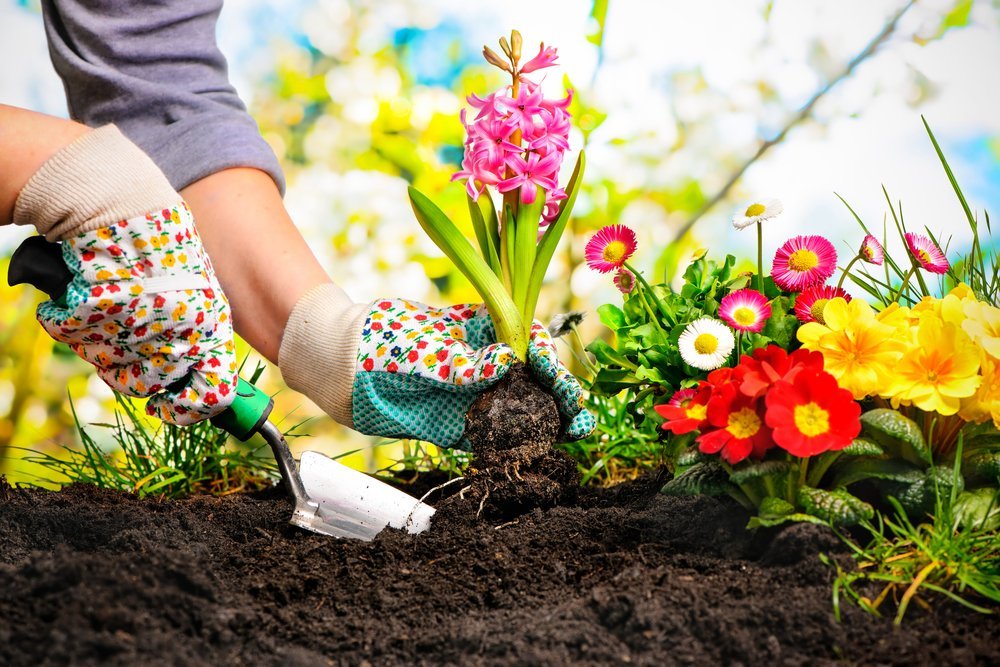
gardening is the practice of growing and caring for plants, flowers, herbs and vegetables within a designated outdoor space or indoor container. A hand trowel, pruning shears and a garden fork are the essential tools of gardening.
Gardening may be viewed as either an art, dealing with the placement of plants in their setting in a pleasing manner, or as a science, dealing with the theories and methods of plant growth. Since plants are generally cultivated in surroundings far removed from their natural habitat, the application to their cultivation of methods based on plant physiology, plant chemistry, and plant biology becomes essential, supplemented by the practical knowledge of the planter. The fundamental principles in the growing of plants are universal, but obviously the practices have to be greatly modified to suit local conditions.
The nature of gardening
The cultivation of gardens for their ornamental purposes requires a degree of civilization in order to develop. Wherever this degree has been reached, both across the globe and throughout history, attempts have always been made by humans to mold their environment into something visually pleasing.
Being a mere spectator in the face of gardens is quite possible. Nevertheless, people who take care of gardens on their private properties gain satisfaction not only from viewing the results of their work but also from being engaged in the very process of cultivation.
The varied appeal of gardening
gardening offers an array of attractions, diverse and wide-ranging, and perhaps more than anything else in the realm of arts and crafts, is open to experience by people of any age and of any ambition. In its most basic form, and yet one of its most valuable experiences, the joys of gardening lie in a child’s delight in watching how a packet of seeds gives rise to a delightful explosion of colors.
One should also take part in visiting some of the greatest gardens of the world during different times of year to observe the relationship of the plant communities to the total scheme of the garden, to study the placing of plants according to color, texture, and weight of foliage or flower; to enjoy the use of the special elements such as the ponds or watercourses, pavilions, or rockeries.
Therefore, the charm of gardening is multiple and versatile. The garden is the only place where those, who lack special education, may demonstrate their creative ability as designers, artists, technicians and scientific observers. Furthermore, a lot of people find gardening relaxing and healing.